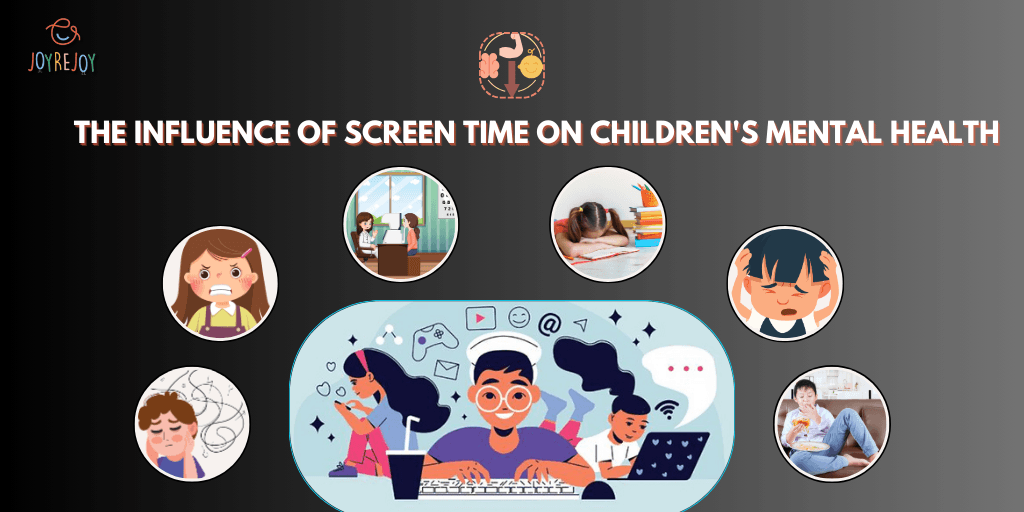
Excessive screen time negatively impacts children's mental and physical health. It disrupts sleep, limits physical activity, and hinders social development. Reduced outdoor play and increased sedentary behavior contribute to obesity and poor posture.
In recent years, the increasing prevalence of screen time among children has raised concerns about its effects on their mental well-being. Excessive screen time may affect children's emotional health, behaviour, and overall development, making it important for parents and caregivers to establish healthy digital habits.
Today's technology and digital devices offer numerous benefits and opportunities for learning and entertainment. However, excessive or inappropriate screen use can also have negative effects on children. Here are some key impacts to consider:
- Brain Development: Excessive screen time, particularly during early childhood, may affect brain development and is associated with differences in brain structure and function.
- Physical Health: Excessive screen time is often associated with sedentary behaviour, as children may spend long periods sitting in front of screens instead of engaging in physical activities. This can contribute to health concerns such as obesity, poor posture, and reduced fitness levels, which may also affect mental well-being.
- Sleep Disturbances and Poor Sleep Quality: Excessive use of digital devices, especially before bedtime, can disrupt children's sleep patterns. Poor sleep may affect their behaviour, concentration, and interest in daily activities.
- Social Development: Overuse of screens may reduce opportunities for face-to-face interaction, potentially affecting the development of social skills, empathy, and emotional intelligence.
- Behavioural Changes: Excessive screen use may interfere with the development of emotional regulation skills in some children, contributing to irritability, mood changes, and difficulties managing emotions.
- Increased Risk of Depression and Anxiety: Excessive or problematic screen use has been associated with mental health concerns, including symptoms of depression and anxiety. The impact can vary depending on the child's age, content consumed, and overall lifestyle.
Different Ways to Decrease Screen Time for Children
As parents or caregivers, it is important to develop practical strategies to reduce excessive screen time and encourage healthier habits.
- Set Screen Time Rules and Boundaries: Establish clear limits on screen time, including its duration, the type of content children can access, and the quality of the content.
- Encourage Family Bonding and Interaction: Replace solitary screen time with activities such as cooking together, playing indoor games, and enjoying brain-stimulating activities like chess, board games, and puzzles.
- Promote Outdoor Activities: Encourage walks, visits to the park, and outdoor games that involve physical movement and exercise.
- Establish a Bedtime Reading Routine: Encourage children to read books before bedtime, including stories and age-appropriate motivational literature, instead of using digital devices.
- Use Screen Time as a Reward Carefully: Consider linking recreational screen time to the completion of age-appropriate chores, homework, or other responsibilities while ensuring that essential needs and activities are not dependent on screen access.
- Create Screen-Free Zones: Establish screen-free areas in your home, such as bedrooms and dining areas, to encourage alternative activities and meaningful family interactions.
Most importantly, be a role model for your children. Limit your own screen time and actively participate in healthy habits. Children often learn by observing their parents, so demonstrating balanced technology use can help them develop similar behaviours.
Pediatric Recommendations for Screen Time
- Children Under 18 Months: Avoid screen time, except for video calls with family and friends.
- Children Aged 18–24 Months: If introducing digital media, choose high-quality educational content and watch it together with your child.
- Children Aged 2–5 Years: Limit screen time to approximately one hour per day of high-quality programming. Watch together when possible and help children apply what they learn to the world around them.
- Children Aged 6 Years and Older: Establish consistent limits on recreational screen time and encourage healthy media habits. Screen use should not interfere with adequate sleep, physical activity, learning, or other activities essential to health and development.
By setting healthy boundaries, encouraging meaningful interactions, and leading by example, parents and caregivers can help children develop a balanced relationship with technology while supporting their mental well-being and overall development.